Ocean Freight Rates Egypt: Complete Guide to Sea Freight Costs, Pricing Factors & How to Reduce Shipping Expenses Whether you're importing machinery, exporting products, or managing international supply chains, understanding ocean freight rates Egypt is essential for controlling logistics costs and avoiding unexpected shipping expenses. Ocean freight remains the most cost-effective solution for moving large …

Ocean Freight Rates Egypt: Complete Guide to Sea Freight Costs, Pricing Factors & How to Reduce Shipping Expenses
Whether you’re importing machinery, exporting products, or managing international supply chains, understanding ocean freight rates Egypt is essential for controlling logistics costs and avoiding unexpected shipping expenses.
Ocean freight remains the most cost-effective solution for moving large cargo internationally, but shipping prices vary depending on container type, destination, seasonal demand, customs requirements, and carrier availability. Businesses that understand how freight rates are calculated can make smarter shipping decisions, reduce delays, and improve profitability.
This guide explains everything you need to know about ocean freight rates Egypt, including pricing factors, cost comparisons, hidden fees, and practical strategies to optimize your shipping budget.
What Are Ocean Freight Rates in Egypt?
Ocean freight rates in Egypt refer to the total cost of transporting cargo by sea between Egyptian ports and international destinations. These rates include more than the shipping line’s base price—they often cover terminal handling, documentation, fuel surcharges, and additional logistics services depending on the shipment.
For businesses that regularly import or export goods, understanding freight pricing helps improve budgeting and select the most efficient shipping method.
Ocean freight costs are typically influenced by:
- Shipping origin and destination
- Container type (FCL or LCL)
- Cargo dimensions and weight
- Type of goods being transported
- Shipping season
- Port handling charges
- Customs-related expenses
- Carrier availability
Companies offering Sea Freight solutions usually provide customized quotations because every shipment has unique operational requirements.
Learn more about Sea Freight services before comparing freight rates.
Why Ocean Freight Is the Most Cost-Effective Shipping Method
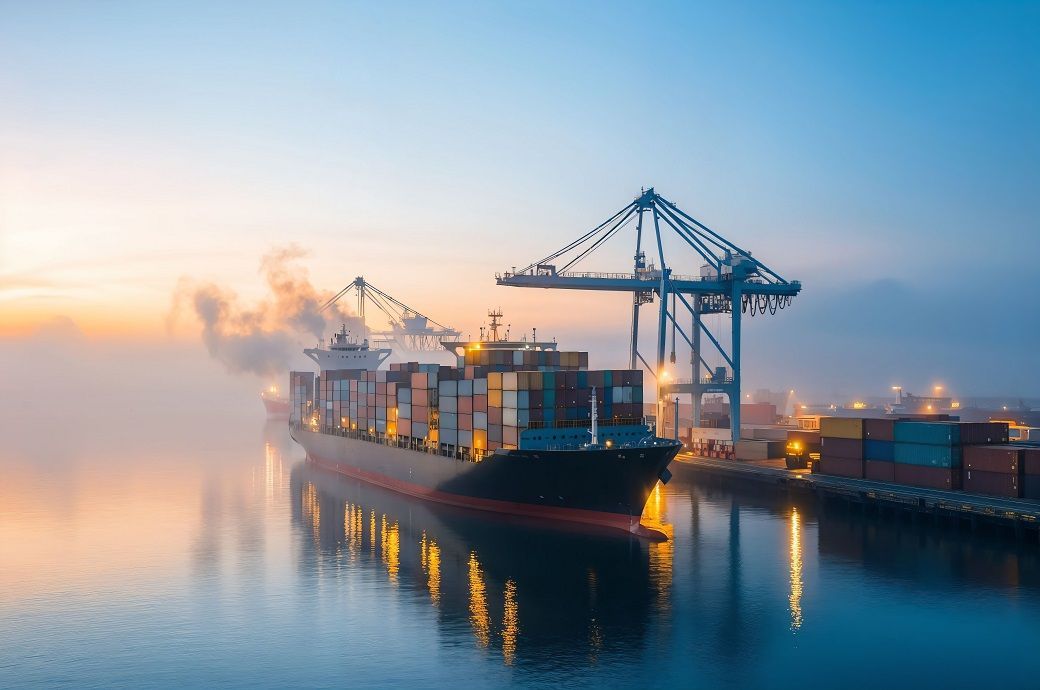
For medium and large shipments, sea freight usually delivers the best balance between transportation cost and cargo capacity. While transit times are longer than air transport, businesses benefit from significantly lower shipping costs.
Ocean freight is particularly suitable for:
- Manufacturing equipment
- Industrial materials
- Retail inventory
- Consumer goods
- Construction materials
- Heavy machinery
- Bulk cargo
- International commercial shipments
Compared with Air Freight, ocean transportation can reduce logistics costs substantially for businesses that are not shipping time-sensitive products.
It also supports modern supply chain and logistics strategies by enabling predictable shipping schedules and scalable international distribution.
What Affects Ocean Freight Rates in Egypt?
There is no single price for international sea freight. Every shipment is priced according to several operational and commercial factors.
The most important pricing elements include:
Destination Country
Longer shipping routes naturally increase transportation costs. Regional shipments typically cost less than intercontinental routes because they involve shorter transit distances and fewer operational expenses.
Popular destinations from Egypt include:
- Saudi Arabia
- UAE
- Europe
- China
- United States
- East Africa
Each destination has different carrier availability and port charges.
Container Type (FCL vs LCL)
One of the biggest pricing factors is choosing between:
- Full Container Load (FCL)
- Less than Container Load (LCL)
Businesses shipping enough cargo to fill most of a container often benefit from FCL pricing.
Smaller shipments usually save money through LCL because multiple businesses share one container.
However, the cheapest option depends on cargo volume—not just container price.
Read our guide about FCL vs LCL Shipping in Egypt to understand which option reduces total freight costs.
Cargo Weight and Volume
Ocean freight pricing considers both cargo dimensions and shipment volume.
Oversized equipment, heavy industrial machinery, and irregular cargo often require:
- Specialized containers
- Heavy-lift equipment
- Additional port handling
- Route planning
These factors increase the final freight quotation.
For Project Cargo, pricing becomes even more customized because every shipment has different engineering requirements.
Shipping Season
Freight prices fluctuate throughout the year.
Rates generally increase during:
- Peak retail seasons
- Holiday demand
- Limited container availability
- High export activity
Planning shipments early often results in lower transportation costs and greater flexibility when selecting carriers.
Fuel and Carrier Surcharges
Ocean carriers periodically adjust freight charges to reflect:
- Fuel prices
- Operational costs
- Port congestion
- Capacity shortages
- Global shipping demand
These surcharges can significantly affect the final freight invoice, even when the base shipping rate remains unchanged.
Request a Freight Consultation
Understanding Ocean Freight Charges Beyond the Base Rate
Many businesses mistakenly believe the quoted freight price is the total shipping cost. In reality, several additional charges may apply before cargo reaches its destination.
Common charges include:
- Terminal Handling Charges (THC)
- Documentation fees
- Port storage fees
- Container handling costs
- Customs inspection fees
- Demurrage charges
- Detention fees
- Delivery charges
- Marine insurance (optional but recommended)
Understanding these costs helps businesses compare quotations more accurately instead of focusing only on the lowest freight rate.
Ocean Freight Rates vs Air Freight Costs
Choosing between sea and air transport depends on more than shipping price.
Ocean freight is generally the better choice when:
- Shipping large cargo volumes
- Transporting heavy goods
- Delivery deadlines are flexible
- Reducing logistics costs is the priority
Air freight is more suitable when:
- Goods are time-sensitive
- Products have high commercial value
- Inventory shortages must be avoided
- Fast international delivery is critical
Many importers combine both methods as part of a broader logistics strategy—for example, using ocean freight for regular inventory and air freight for urgent replenishment.
How Are Ocean Freight Rates Calculated in Egypt?
Ocean freight rates in Egypt are calculated using a combination of shipment characteristics, transportation costs, and operational charges. Freight forwarders evaluate several variables before providing an accurate quotation, which is why two shipments with similar destinations may have different prices.
The main pricing factors include:
Freight Distance
The longer the shipping route, the higher the transportation cost. Routes to Europe, Asia, and North America differ significantly in pricing due to transit distance, carrier schedules, and port operations.
Container Type
Choosing the right container directly affects your shipping budget.
- FCL (Full Container Load): Best for businesses shipping enough cargo to fill most or all of a container. It often offers better value per unit for large shipments.
- LCL (Less than Container Load): Ideal for smaller shipments because multiple importers share one container, reducing upfront transportation costs.
Selecting the wrong container option can increase both freight costs and transit time.
Cargo Characteristics
Ocean freight pricing also depends on the nature of the cargo.
Carriers evaluate:
- Total weight
- Cargo dimensions
- Commodity type
- Dangerous goods classification
- Temperature-controlled requirements
- Heavy or oversized equipment
Specialized shipments often require additional handling and equipment, increasing the overall shipping cost.
Port and Terminal Charges
Every shipment passing through Egyptian ports is subject to operational charges that vary by terminal and destination.
Typical costs include:
- Terminal handling
- Container loading and unloading
- Documentation processing
- Port service fees
- Storage charges when applicable
Understanding these costs helps businesses compare freight quotations more accurately.
Hidden Costs That Many Importers Overlook
Many companies focus only on the quoted freight rate and overlook additional charges that can significantly increase the final shipping cost.
Some of the most common hidden expenses include:
Demurrage and Detention Fees
Containers kept at the port beyond the allowed free period may incur daily charges.
These costs often arise because of:
- Delayed customs clearance
- Missing documentation
- Late cargo collection
Proper shipment planning helps avoid unnecessary storage expenses.
Customs Clearance Expenses
Freight charges typically do not include customs-related costs.
Businesses should also budget for:
- Import duties
- VAT
- Customs inspection fees
- Clearance service fees
- Government approvals for regulated goods
Preparing the correct Documents Required for Customs Clearance in Egypt before shipment arrival reduces delays and unexpected costs.
Read our guide on Documents Required for Customs Clearance in Egypt before importing cargo.
Marine Insurance
Although optional, Marine Insurance is strongly recommended for international shipments.
It provides financial protection against:
- Cargo damage
- Theft
- Accidents
- Weather-related incidents
- General average claims
For high-value cargo, insurance often represents a small additional cost compared with the potential financial risk.

Request a Freight Consultation
How Businesses Can Reduce Ocean Freight Costs
Reducing shipping expenses is not only about negotiating lower rates. Strategic planning throughout the logistics process often produces greater long-term savings.
Here are some proven ways to optimize freight costs:
Plan Shipments Early
Booking in advance gives businesses access to:
- Better carrier availability
- Lower seasonal rates
- More routing options
Last-minute bookings often result in premium pricing.
Choose the Right Container Size
Shipping a partially filled container can increase costs unnecessarily.
Before booking, evaluate:
- Shipment volume
- Weight
- Frequency of shipments
Sometimes consolidating cargo into one FCL shipment is more economical than multiple LCL shipments.
Work With an Experienced Freight Forwarder
A knowledgeable Freight Forwarder in Egypt can help businesses:
- Compare carrier rates
- Select efficient routes
- Minimize customs delays
- Reduce unnecessary logistics expenses
Professional freight planning often lowers total transportation costs more effectively than simply choosing the cheapest shipping quote.
Improve Customs Preparation
One of the biggest causes of extra logistics costs is customs delay.
Businesses should ensure that:
- Commercial invoices are accurate.
- HS codes are correctly classified.
- Packing lists match the shipment.
- Import permits are complete.
- Required certificates are available before arrival.
Good customs preparation reduces storage fees and speeds up cargo release.
Learn more about Customs Clearance Procedures in Egyptian Ports to avoid unnecessary shipping delays.
Ocean Freight Trends in Egypt
The Egyptian logistics sector continues to evolve as international trade volumes grow and supply chains become more digital.
Current trends include:
- Increased demand for containerized shipping.
- Greater use of real-time cargo tracking.
- Expansion of integrated logistics services.
- More flexible multimodal shipping solutions.
- Improved customs digitization.
- Stronger connections between Egyptian ports and global shipping networks.
Businesses that work with experienced logistics providers can adapt more effectively to changing market conditions while maintaining predictable transportation costs.
Why Businesses Choose Seagate Express for Ocean Freight
Many importers and exporters require more than basic transportation—they need a logistics partner capable of managing the entire shipping process.
Seagate Express supports businesses with integrated ocean freight solutions that combine transportation, documentation, customs coordination, and shipment visibility under one workflow.
Its services include:
- International Ocean Freight
- FCL and LCL shipping solutions
- Customs Clearance support
- Cargo tracking and shipment visibility
- Project cargo coordination
- Marine insurance assistance
- End-to-end logistics management
Rather than focusing solely on freight rates, this integrated approach helps businesses reduce delays, improve planning, and gain better control over international shipments.
Common Mistakes That Increase Ocean Freight Costs
Many shipping expenses can be avoided with proper planning. Businesses frequently encounter higher costs because of preventable mistakes such as:
- Choosing the wrong shipping method.
- Booking at peak season without advance planning.
- Incorrect HS code classification.
- Missing customs documents.
- Ignoring port storage deadlines.
- Selecting providers based only on the lowest price.
- Failing to insure valuable cargo.
Avoiding these issues helps reduce both direct transportation costs and indirect operational losses.
Request a Freight Consultation
Frequently Asked Questions About Ocean Freight Rates in Egypt
How much is ocean freight per kg?
There is no fixed ocean freight rate per kg because sea freight is generally priced based on container space, shipment volume (CBM), cargo weight, destination, and shipping method (FCL or LCL). For LCL shipments, freight forwarders usually calculate charges using the greater of the shipment’s actual weight or volumetric weight.
What are the current ocean freight rates?
Current ocean freight rates vary depending on market demand, fuel prices, carrier capacity, shipping routes, and seasonal fluctuations. Businesses should request updated quotations from a freight forwarder before booking because rates can change frequently.
What is the ocean freight fee?
The ocean freight fee refers to the transportation cost charged by the shipping line or freight forwarder to move cargo between ports. Depending on the shipment, additional costs may include terminal handling charges, customs clearance fees, documentation fees, port charges, and marine insurance.
How much cheaper is sea freight than air freight?
In most cases, Sea Freight is significantly more economical than air freight for large or heavy shipments. While Air Freight Forwarding Services in Egypt provide much faster delivery, ocean shipping offers lower transportation costs, making it the preferred choice for bulk cargo, commercial imports, and non-urgent shipments.
Which is better: FCL or LCL shipping?
It depends on your shipment size and business priorities.
- Choose FCL when you have enough cargo to fill most of a container or need faster handling and greater cargo security.
- Choose LCL when shipping smaller volumes and looking to reduce initial transportation costs.
Selecting the right option can improve both delivery performance and overall shipping efficiency.
What factors increase ocean freight prices?
Several variables can increase ocean freight prices, including:
- Higher fuel costs
- Peak shipping seasons
- Port congestion
- Longer transit routes
- Heavy or oversized cargo
- Special handling requirements
- Customs delays
- Container shortages
Planning shipments early helps reduce many of these additional expenses.
Do ocean freight companies handle customs clearance?
Many logistics providers offer integrated shipping solutions that include transportation and customs support. Working with one provider for both services simplifies communication, reduces paperwork, and minimizes the risk of shipment delays.
How can businesses reduce ocean freight costs?
Businesses can lower shipping expenses by:
- Booking shipments in advance.
- Choosing the correct container type.
- Consolidating smaller shipments.
- Preparing customs documents before cargo arrives.
- Working with an experienced freight forwarder.
- Comparing total logistics costs rather than freight charges alone.

Need Reliable Ocean Freight Services in Egypt?
Whether you’re importing raw materials, exporting finished products, or managing international supply chains, choosing the right logistics partner can make a significant difference in shipping costs, transit times, and customs efficiency.
At Seagate Express, businesses gain access to integrated logistics solutions that combine Ocean Freight, Air Freight, Overland Freight, Custom Clearance, Project Cargo, and Marine Insurance under one experienced team. This end-to-end approach helps reduce delays, improve shipment visibility, and simplify international logistics from origin to final delivery.
If you’re planning your next shipment, Seagate’s specialists can help you:
- Compare FCL and LCL shipping options.
- Estimate accurate ocean freight costs.
- Prepare customs documentation.
- Optimize shipping routes and transit times.
- Build a cost-effective logistics strategy for your cargo.
Request a customized ocean freight quotation today and discover the most efficient shipping solution for your business.
Final Thoughts
Understanding ocean freight rates in Egypt is about more than comparing shipping prices. The total cost of international transportation depends on container selection, cargo specifications, customs procedures, port charges, and the expertise of your logistics partner.