What Are Customs Clearance Procedures in Egyptian Ports? Customs clearance procedures in Egyptian ports refer to the legal and administrative steps required to import or export goods through Egyptian airports and seaports. These procedures ensure cargo complies with Egyptian customs regulations, tax laws, and security requirements. For businesses involved in international trade, understanding Customs clearance …

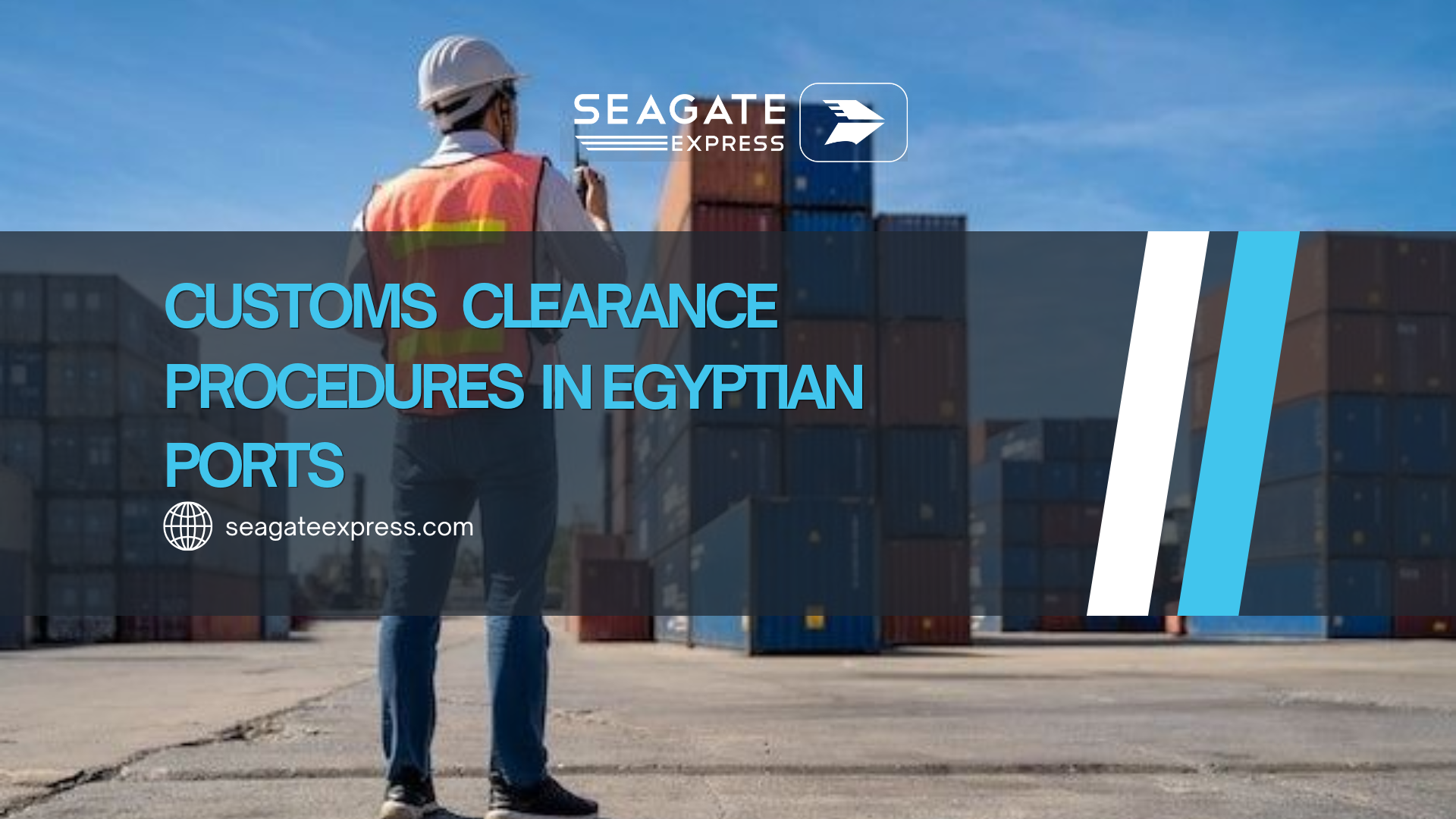
What Are Customs Clearance Procedures in Egyptian Ports?
Customs clearance procedures in Egyptian ports refer to the legal and administrative steps required to import or export goods through Egyptian airports and seaports. These procedures ensure cargo complies with Egyptian customs regulations, tax laws, and security requirements.
For businesses involved in international trade, understanding Customs clearance procedures in Egyptian ports is essential to avoid delays, extra storage fees, and shipment rejections. Whether shipments arrive through sea freight terminals or air cargo Egypt facilities, customs clearance directly affects supply chain efficiency.
The process usually includes:
- Document preparation and verification
- Customs declaration submission
- Cargo inspection
- Customs duty calculation
- Payment processing
- Cargo release and delivery
Companies working with experienced freight forwarder in Egypt providers often complete customs procedures faster and with fewer operational risks.
What Does Customs Clearance Mean?
Customs clearance is the process of obtaining approval from customs authorities to move goods into or out of a country. In Egypt, this process applies to imports, exports, and transit cargo.
It involves verifying shipment details, checking documentation, calculating taxes, and ensuring goods comply with Egyptian regulations.
Why Customs Clearance Is Important for Imports and Exports in Egypt
Efficient customs clearance supports faster cargo movement and reduces logistics disruptions. It also helps businesses maintain compliance while improving delivery timelines.
Key benefits include:
- Faster cargo release
- Lower demurrage and storage costs
- Improved supply chain and logistics operations
- Reduced risk of customs penalties
- Better shipment visibility
Which Egyptian Ports Handle International Cargo?
Egypt operates several major ports supporting global trade and cargo shipping operations, including:
- Alexandria Port
- Port Said
- Ain Sokhna Port
- Damietta Port
- Cairo International Airport Cargo Terminal
These hubs support egyptian international shipping agencies & services and connect Egypt with Europe, Asia, Africa, and Gulf markets.
Why Businesses Face Delays in Egyptian Customs Clearance
Many businesses experience delays because of incomplete documentation, incorrect shipment data, or poor communication between logistics partners.
In Egypt, customs procedures can become more complex when shipments involve regulated products, industrial machinery, electronics, pharmaceuticals, or temperature-sensitive goods.
Incomplete Shipping Documents
Missing or inaccurate documents are among the most common reasons for customs delays.
Typical issues include:
- Incorrect invoice values
- Missing packing lists
- Expired certificates
- Incomplete importer information
Incorrect HS Codes and Product Classification
Using the wrong HS code can lead to incorrect customs duties, shipment holds, or inspections.
Proper classification is critical for Customs clearance Egypt compliance.
Delays in Customs Inspection
Some shipments require physical inspection before release. Delays may occur because of:
- Congested ports
- Random inspections
- Security reviews
- Restricted cargo categories
Missing Import Approvals or Certifications
Certain products require approvals from Egyptian authorities before customs clearance.
Examples include:
- Medical products
- Food imports
- Chemicals
- Electronics
Customs Duty Calculation Errors
Incorrect cargo valuation often results in customs disputes and delayed release.
Businesses importing high-volume goods should verify customs calculations before shipment arrival.
Poor Coordination Between Freight Forwarders and Brokers
Lack of communication between carriers, customs brokers, and importers frequently slows down cargo movement.
Professional logistics companies in Egypt reduce these risks through centralized shipment management.
How Professional Customs Brokers Reduce Delays
Experienced brokers simplify clearance by:
- Preparing accurate documents
- Verifying HS codes
- Managing customs declarations
- Coordinating inspections
- Tracking shipment status in real time

Step-by-Step Customs Clearance Procedures in Egyptian Ports
The customs clearance process in Egypt follows a structured workflow designed to verify cargo legality and calculate duties before shipment release.
Step 1: Prepare Shipping and Import Documents
Importers must prepare all required paperwork before cargo arrival.
Commercial Invoice
Lists shipment value, supplier information, and product details.
Packing List
Specifies cargo dimensions, quantities, and packaging type.
Bill of Lading or Airway Bill
Acts as proof of shipment ownership and transportation agreement.
Certificate of Origin
Confirms the country where products were manufactured.
Import Licenses and Approvals
Required for regulated or restricted goods.
Step 2: Submit Customs Declaration
The importer or customs broker submits shipment data through Egyptian customs systems.
This includes:
- Cargo classification
- Shipment value
- Importer details
- Tax calculations
Many logistics services Egypt providers now use digital customs systems to speed up processing.
Step 3: Customs Inspection and Cargo Examination
Customs authorities may inspect shipments to verify declared cargo matches physical goods.
Inspection levels depend on:
- Cargo type
- Risk category
- Documentation accuracy
Step 4: Customs Duty and Tax Calculation
Customs duties are calculated based on:
- HS code classification
- Product value
- Shipping cost
- Insurance cost
- Applicable VAT
Understanding What is customs clearance documents requirements helps businesses avoid miscalculations.
Step 5: Payment of Customs Fees
Importers must pay customs duties, VAT, and port-related charges before cargo release.
Late payment often causes storage and demurrage fees.
Step 6: Cargo Release and Final Delivery
Once customs approval is completed, shipments are released for transportation and delivery.
This stage often integrates with:
- Overland transport
- Warehousing
- Distribution networks
- Last-mile delivery services

What Documents Are Required for Customs Clearance in Egypt?
Most import and export shipments require standardized documents to complete customs clearance procedures in Egyptian ports.
Mandatory Import Documents
Common required documents include:
- Commercial invoice
- Packing list
- Bill of lading
- Import license
- Tax card
- Customs declaration
Export Documentation Requirements
Export shipments may require:
- Certificate of origin
- Export permits
- Shipping instructions
- Inspection certificates
Special Documents for Restricted Goods
Some industries require additional approvals, including pharmaceuticals, chemicals, and food products.
Digital Customs Documentation Systems in Egypt
Egypt increasingly relies on digital customs platforms to improve processing efficiency and shipment visibility.
Understanding the Role of Customs Brokers in Egypt
Customs brokers manage communication between importers and customs authorities.
They help businesses comply with regulations while reducing delays and financial risks.
What Does a Customs Broker Do?
A customs broker typically handles:
- Documentation review
- Customs declarations
- Duty calculations
- Cargo inspections
- Shipment release coordination
Difference Between Freight Forwarders and Customs Brokers
A freight forwarder in Egypt manages transportation and shipment coordination, while customs brokers specialize in customs compliance.
Many providers combine both services under one logistics operation.
Why Businesses Use Customs Clearance Agents
Professional agents help businesses:
- Reduce clearance time
- Avoid customs penalties
- Improve cargo tracking
- Simplify import/export procedures
How to Choose a Reliable Customs Broker in Egypt
When evaluating brokers, businesses should consider:
- Industry experience
- Port expertise
- Tracking systems
- Regulatory knowledge
- Communication quality
This is especially important for companies handling cargo freight services, industrial cargo, and international trade operations.
Customs Clearance for E-commerce Businesses in Egypt
E-commerce imports require faster customs processing because delivery speed directly affects customer satisfaction.
Small parcel shipments often involve:
- High shipment frequency
- Cross-border fulfillment
- Last-mile delivery coordination
Businesses importing products through air cargo Egypt channels benefit from streamlined documentation and digital tracking systems.
Benefits of Professional Customs Clearance Services in Egypt
Professional customs support improves operational efficiency and shipment reliability.
Faster Cargo Release
Experienced brokers reduce paperwork errors and inspection delays.
Reduced Storage and Demurrage Fees
Faster clearance minimizes extra port costs.
Better Compliance With Egyptian Regulations
Compliance reduces the risk of shipment holds and customs penalties.
Lower Risk of Customs Penalties
Accurate declarations protect businesses from legal and financial issues.
Improved Shipment Visibility
Modern tracking systems improve coordination across the supply chain.
More Efficient Supply Chain Operations
Integrated customs and freight management improves delivery performance across supply chain and logistics operations.

Why Many Businesses in Egypt Choose Seagate Company
Many importers and exporters work with Seagate because the company combines freight forwarding, customs support, transportation, and logistics coordination under one operational structure.
Customs Clearance Expertise Across Egyptian Ports
Seagate supports customs clearance procedures across major Egyptian ports and airports.
Integrated Freight and Logistics Support
The company coordinates:
- Air freight
- Sea freight
- Overland transport
- Warehousing solutions
Real-Time Shipment Tracking and Documentation Support
Businesses benefit from shipment monitoring and faster communication throughout the clearance process.
Support for Industrial, Retail, and E-commerce Businesses
Seagate works with multiple sectors requiring scalable logistics and customs handling solutions.
Common Customs Clearance Errors and How to Avoid Them
Businesses can reduce customs delays by avoiding several common operational mistakes.
Incorrect Product Classification
Always verify HS codes before shipment departure.
Missing Supporting Documents
Incomplete paperwork frequently causes shipment holds.
Underdeclared Cargo Value
Incorrect cargo valuation may lead to fines and inspections.
Delays in Duty Payments
Late payments increase storage charges and delivery delays.
Ignoring Import Restrictions
Certain products require licenses or regulatory approvals before import.
Best Practices for Smooth Customs Clearance
- Prepare documents early
- Work with experienced brokers
- Verify customs classifications
- Track shipments regularly
- Understand Egyptian import regulations
Frequently Asked Questions About Customs Clearance Procedures in Egyptian Ports
What are customs clearance procedures?
They are the legal and operational steps required to import or export goods through customs authorities.
What documents are required for customs clearance in Egypt?
Common documents include invoices, packing lists, bills of lading, certificates of origin, and import licenses.
How long does customs clearance take in Egyptian ports?
Processing time depends on cargo type, documentation accuracy, and inspection requirements.
How are customs duties calculated in Egypt?
Duties are calculated based on cargo value, classification, shipping costs, and applicable taxes.
What causes customs clearance delays?
Common causes include missing documents, incorrect HS codes, unpaid duties, and inspection delays.
What does a customs broker do?
A customs broker manages customs procedures, declarations, documentation, and cargo release coordination.
Need Professional Customs Clearance Support in Egypt?
Businesses handling international shipments need reliable customs expertise to reduce delays and maintain supply chain efficiency.
Whether your company imports industrial goods, retail products, or e-commerce shipments, working with experienced logistics professionals improves customs performance and cargo visibility.
Seagate supports businesses with customs clearance coordination, freight forwarding, cargo handling, and integrated logistics solutions across Egyptian ports and airports.